TIMING
Above 7 °C at night
The RHS says plant out once nights are consistently forecast above at least 7 °C. Tomatoes, peppers, basil and squash do better above 10 °C.
Check a plant planforwhen
Start
WHAT THE GARDENING GUIDANCE SAYS
The last frost is not the starting gun.
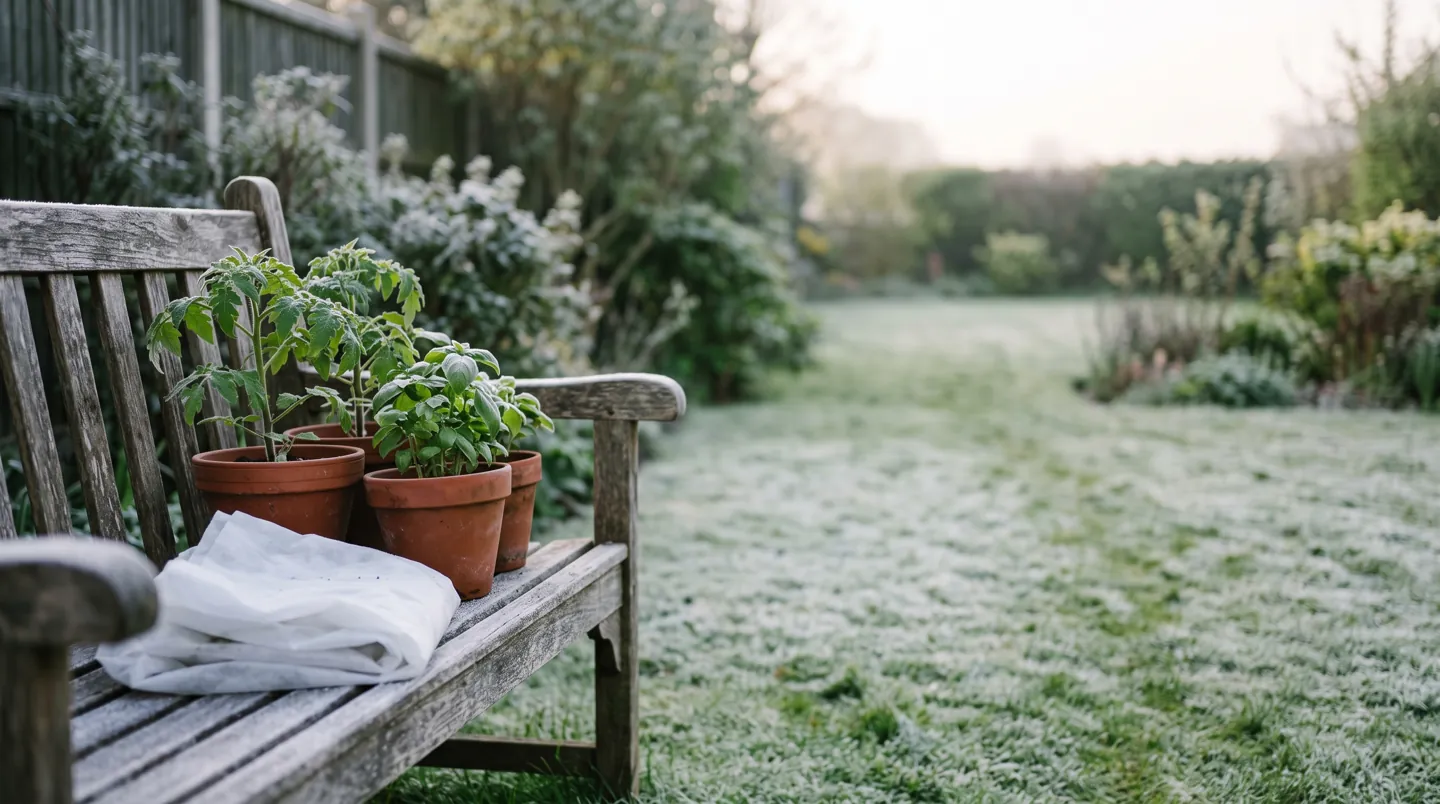
The RHS says tender plants should wait until nights stay above at least 7 °C, which usually comes two to four weeks after the last air frost. Where you live, and where your plants sit in the garden, moves that date by weeks.
7 °Cnights before planting out
Check a plantKeep in mind
THE SHORT ANSWER
Tender plants are hurt by frost and stalled by cold.
The RHS times planting out by night temperatures.
TIMING
The RHS says plant out once nights are consistently forecast above at least 7 °C. Tomatoes, peppers, basil and squash do better above 10 °C.
Check a plantHARDENING OFF
Plants raised indoors need 2 to 3 weeks of gradually longer days outdoors, or time in a cold frame, before they go into the ground.
How to do itLATE FROSTS
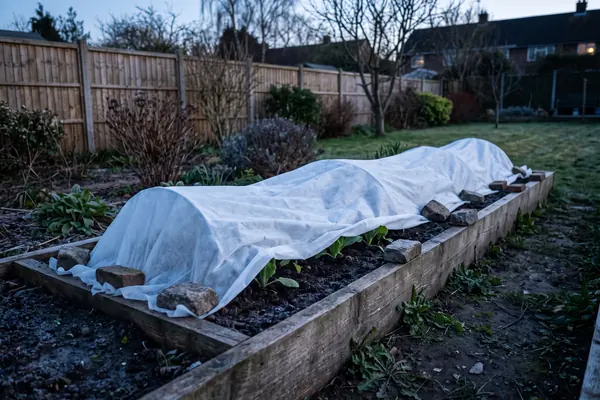
Heavier grades of fleece give about 2 °C of frost protection. The RHS suggests a double layer on the coldest nights.
See the numbersA QUICK REGION CHECK
Pick your part of the UK to see the RHS rule-of-thumb time for planting out tender plants in an average year. The bar shows how late in the season that is.
Sheltered, urban or coastal gardens may be 1 to 2 weeks earlier; exposed, rural or higher sites 1 to 3 weeks later. Always check the 5 to 10 day forecast.
TWO NUMBERS FROM A COLD SPRING
April 2021 showed why planting dates have not moved.
Figures from the Met Office.
14 days
UK air frost days, April 2021
The Met Office said April 2021 averaged 14 days of air frost, the most for April since its air frost records began in 1960. A typical April has five.
AIR FROSTS · MET OFFICE
22 vs 12
UK ground frost days, April 2021
Ground frosts, the ones that settle on grass and low plants, hit a record 22 days that month, against an average of 12.
GROUND FROSTS · MET OFFICE
The Met Office says the average last spring frost has been moving earlier as the climate warms, but warmer springs can push plants and blossom into growth sooner and leave them more exposed to a late cold snap.
FOUR STEPS TO PLANTING OUT
None of this needs special kit. It is about timing, a sheltered spot and something to throw over plants on a cold night.
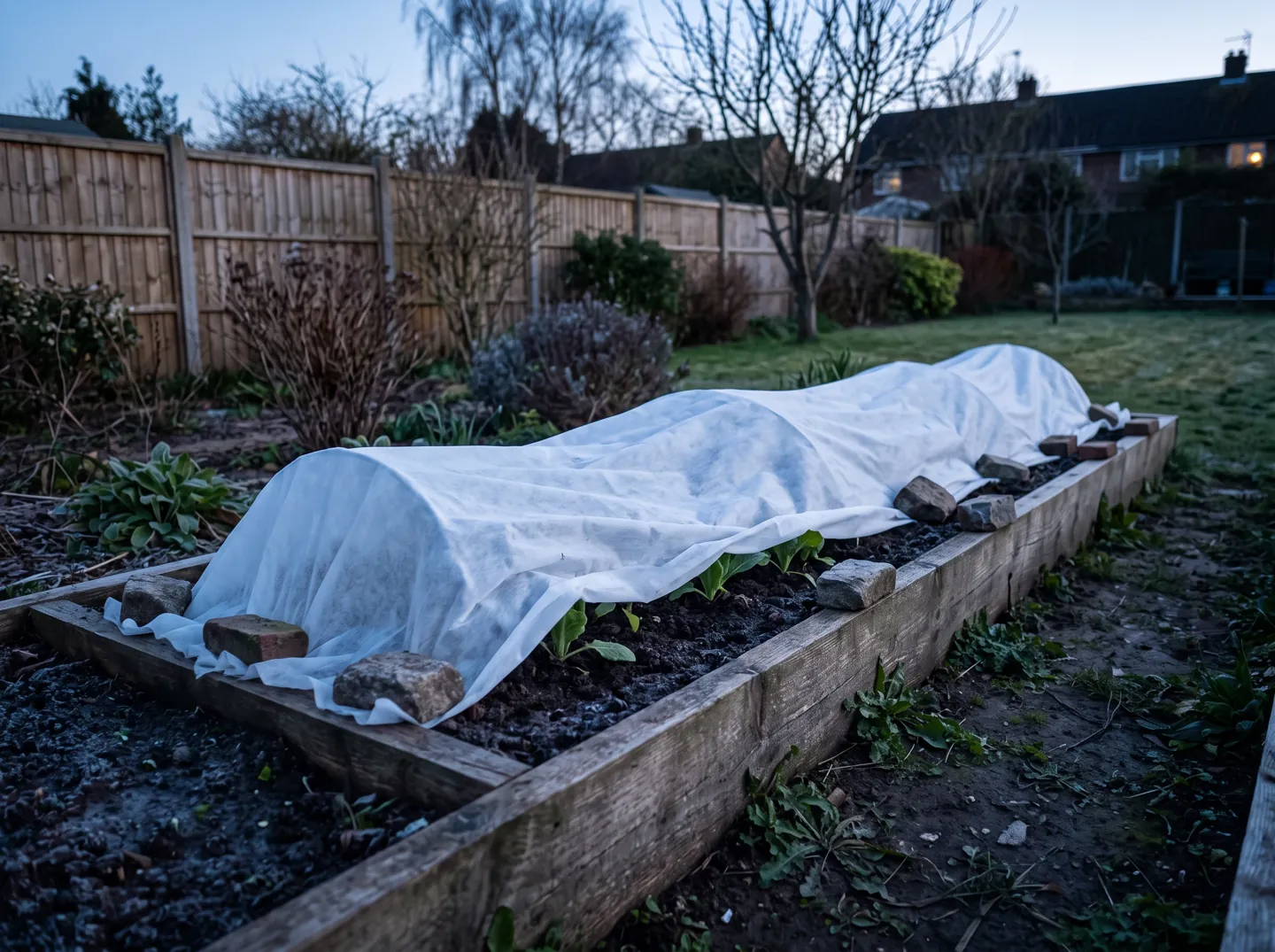
Step 1
Start from the RHS timing for your area, then move it earlier for a sheltered city garden or later for an exposed, rural or hilly one.
Step 2
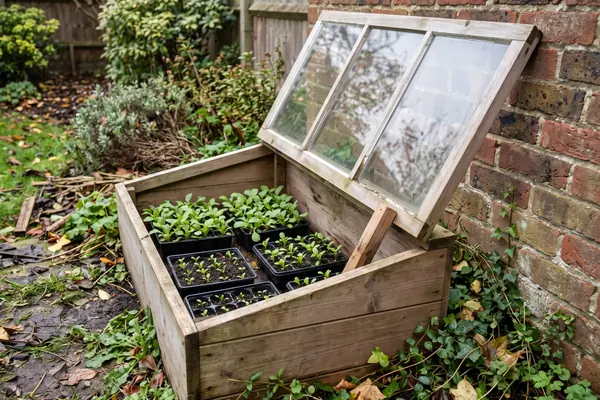
Put plants out in a sheltered, dappled spot by day and bring them in at night, or use a cold frame with the lid opened a little more each day.
Step 3
Plant out once nights are consistently forecast above 7 °C, or above 10 °C for tomatoes, peppers, basil and squash.
Step 4
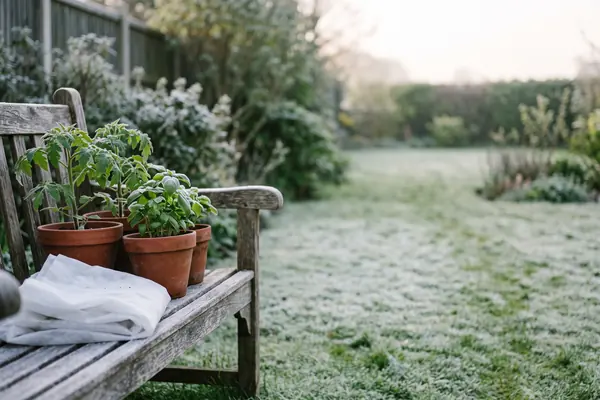
If a chilly, clear night is forecast after planting, cover plants with fleece, doubled on the coldest nights, or an old sheet.
AIR FROST OR GROUND FROST
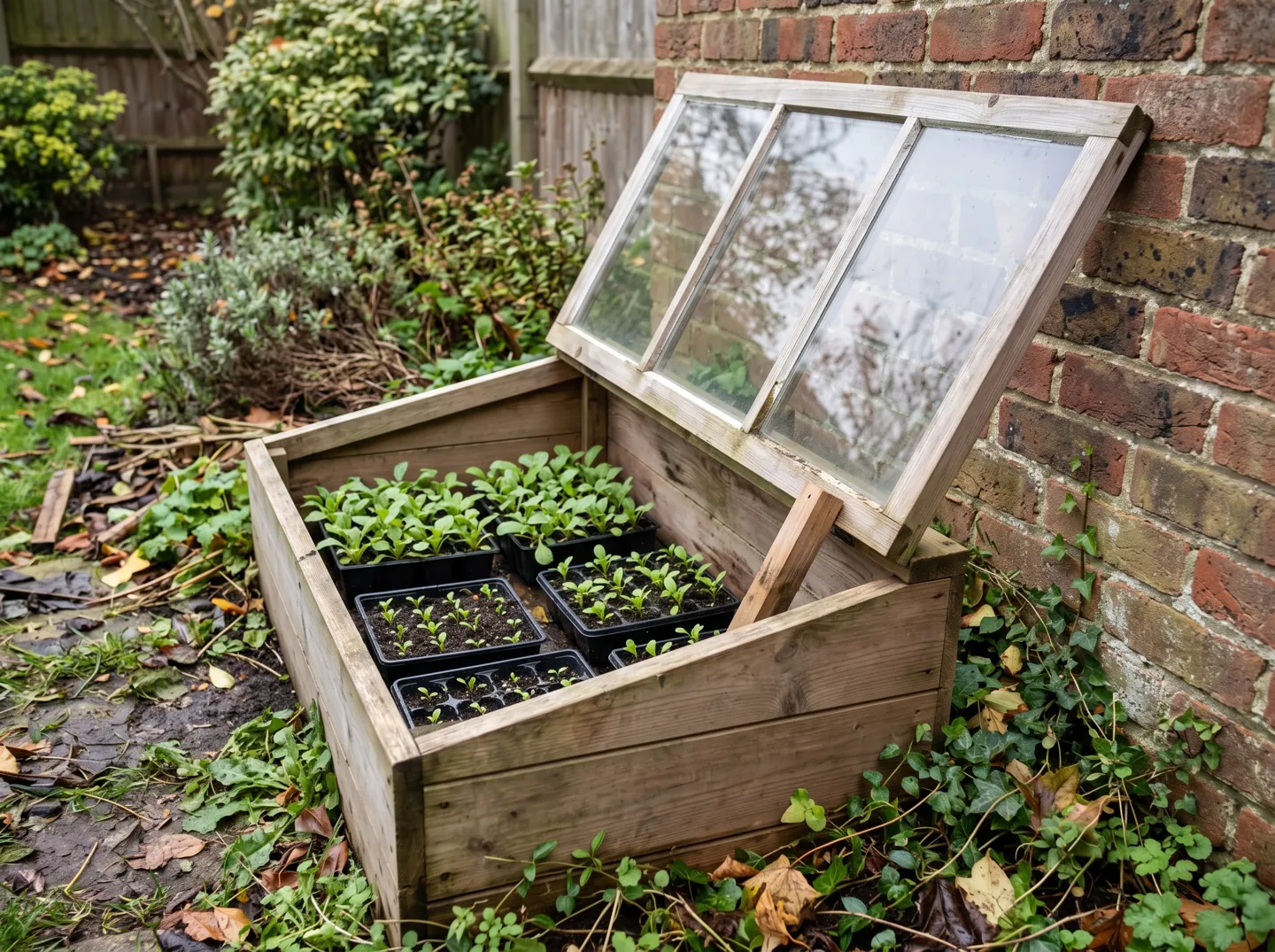
An air frost is when the air about a metre above the ground drops below freezing. A ground frost forms when the surface itself does, even if the air stays just above 0 °C. On clear, calm nights leaves and soil lose heat to the sky and can end up colder than the air.
The Met Office says gardens are most often hit by ground or grass frost, and that frost is more common in rural areas and valleys, where cold air drains downhill and pools. Towns stay a little warmer because buildings and roads release the day's heat at night.
Questions
Not straight away. The RHS says the last spring air frost usually comes two to four weeks before it is safe to plant out tender plants, because ground frosts and cold nights still follow.
The RHS advises waiting until nights are consistently above at least 7 °C. Heat-loving edibles such as tomatoes, peppers, basil and cucurbits do better when nights are above 10 °C.
It gradually gets indoor-raised plants used to wind, sun and cooler nights, so their growth is not checked. The RHS says it takes two to three weeks, but it does not make frost-sensitive plants hardy.
The Met Office explains that clear skies and light winds let the ground lose heat quickly at night. In May ground frost is more common than air frost, especially in rural areas and valleys.
One that is damaged or killed by frost. In the RHS hardiness ratings, H2 plants are tender and will not survive freezing, while H3 plants are half-hardy, coping with about −5 to 1 °C.
Destination
ABOUT THIS NAME
planforwhen.com is part of the DoodleSale portfolio. It isn't in an auction right now, but you can ask about leasing it.